The Best Books I Have Read in 2026
Looking back at 2026, it has very much been a year of science fiction for me.
I started and finished Dennis E. Taylor's six-book Bobiverse series, and also made the questionable decision to begin Craig Alanson's Expeditionary Force. I say questionable because I only discovered, three books in, that the series contains a whopping 22 books. By then I was rather invested.
That said, none of those ended up being among the best books I've read this year. They were enormously entertaining, but the books that really stick with me tend to be the ones that provoke me, shift my perspective, or somehow manage to expand my horizons.
These are the books that made the biggest impact on me in 2026:
Mortal Questions, by Thomas Nagel
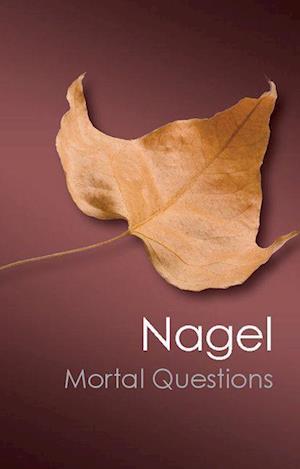
Nagel didn't so much challenge my beliefs as put into words things I'd never given enough proper thinking time. The opening essay on death stayed with me in particular: death as the loss of all those future possibilities, everything we might still experience, discover, and become. It gave shape to something I'd felt but never quite articulated. There is something immensely satisfying about seeing ideas you vaguely recognise examined so clearly. I found it clear and absorbing. An easy must-read.
Sum: Forty Tales from the Afterlives, by David Eagleman
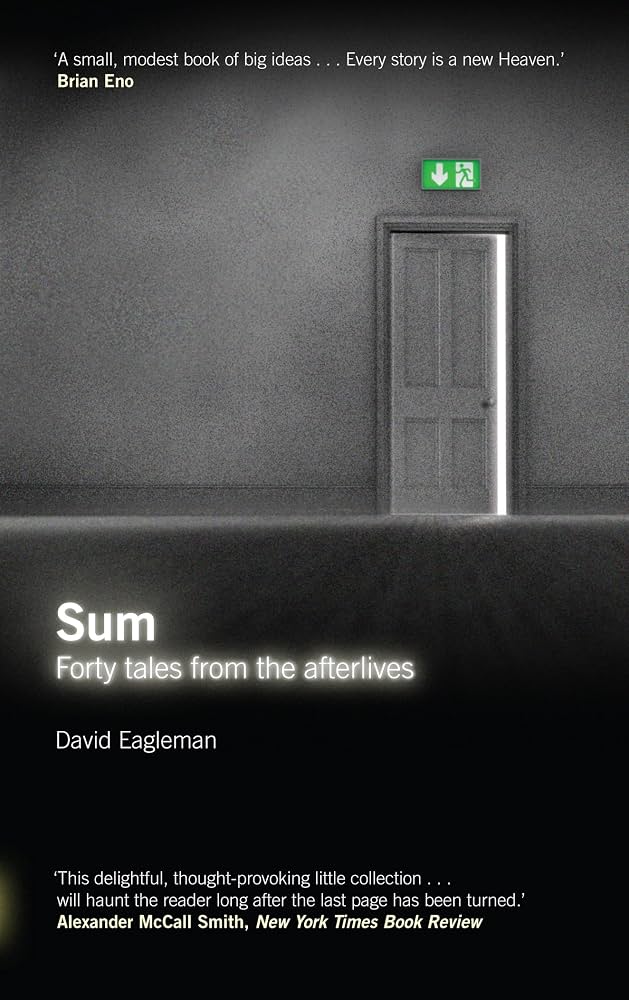
A collection of forty very short stories about imagined afterlives, although really they are stories about life. The one that stayed with me most was Circle of Friends, which imagines an afterlife populated only by the people you knew while alive. It left me thinking about how easily we treat strangers as background characters in our own lives, when each of them is living a life every bit as complete and important to them as mine is to me. There is something deeply humbling in that. My own existence can feel enormously important from the inside, while in the grand scheme of things it is really very small indeed. That shift in perspective has stayed with me.
Rules of Civility, by Amor Towles
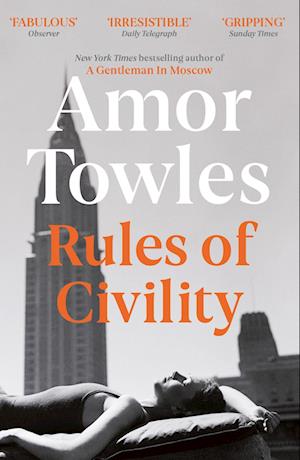
One of my all-time favourite books is A Gentleman in Moscow, so I probably came into this one with unfairly high expectations. Thankfully, it has very much the same atmosphere I love in Towles' work.
I find the class, the old-world manners, and the social codes of 1930s New York enormously romantic. What I particularly like about Towles, though, is not necessarily the prose itself, but the things he chooses to notice. The objects, habits, gestures and small details that most writers would pass straight over somehow become important in his hands.
I also loved Katey Kontent. There is something quite special about the way other people perceive her, while she herself seems largely unaware of what makes her distinctive. And beneath all of that is an idea I find very relatable: that you are not necessarily fixed as the person you happen to be today. You can, to some extent, reinvent yourself.
Remarkably Bright Creatures, by Shelby Van Pelt
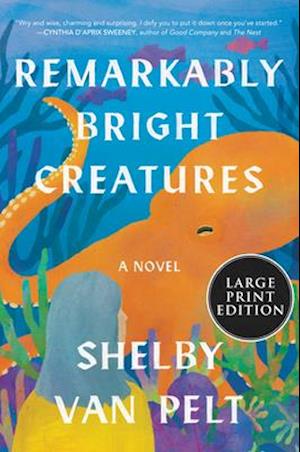
This one made the list because it moved me. At its heart is the relationship between Tova and Marcellus, an elderly woman and, somewhat improbably, a giant Pacific octopus. Marcellus is a fun device for telling the story, but it is the book's treatment of grief that stayed with me.
In particular, I liked the idea that grief can contain relief without that relief somehow diminishing the grief itself. Loss changes over time, but it never really disappears, it simply becomes something you learn to carry differently. The book handles all of this without becoming overly sentimental, which given the premise is quite an achievement.
I also enjoyed the way the eventual reveal gives the title Remarkably Bright Creatures a slightly different meaning. Clever, touching, and probably the most emotionally affecting book I read this year.
The Demon-Haunted World, by Carl Sagan
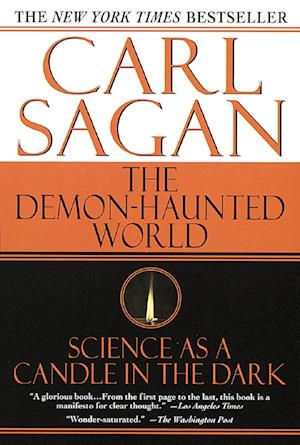
What surprised me most about The Demon-Haunted World was how modern it feels. Sagan writes about scientific thinking, misinformation, superstition and our tendency to believe things simply because we want them to be true. These feel like distinctly modern problems, yet the book was published thirty years ago, and of course the problems themselves are much older still.
Sagan's way of approaching them is what makes the book so compelling. He cuts to the chase without ever becoming demeaning. He simply lays out the facts, or wraps them in a story, and trusts you to follow him there. There is something wonderfully inviting about the way he writes.
Strangely, I think the book left me more cynical about us as a species, despite Sagan himself remaining remarkably optimistic. We have understood many of these weaknesses in ourselves for a very long time. We just don't seem particularly good at doing anything about them.