I Have Decided to Like Marmite
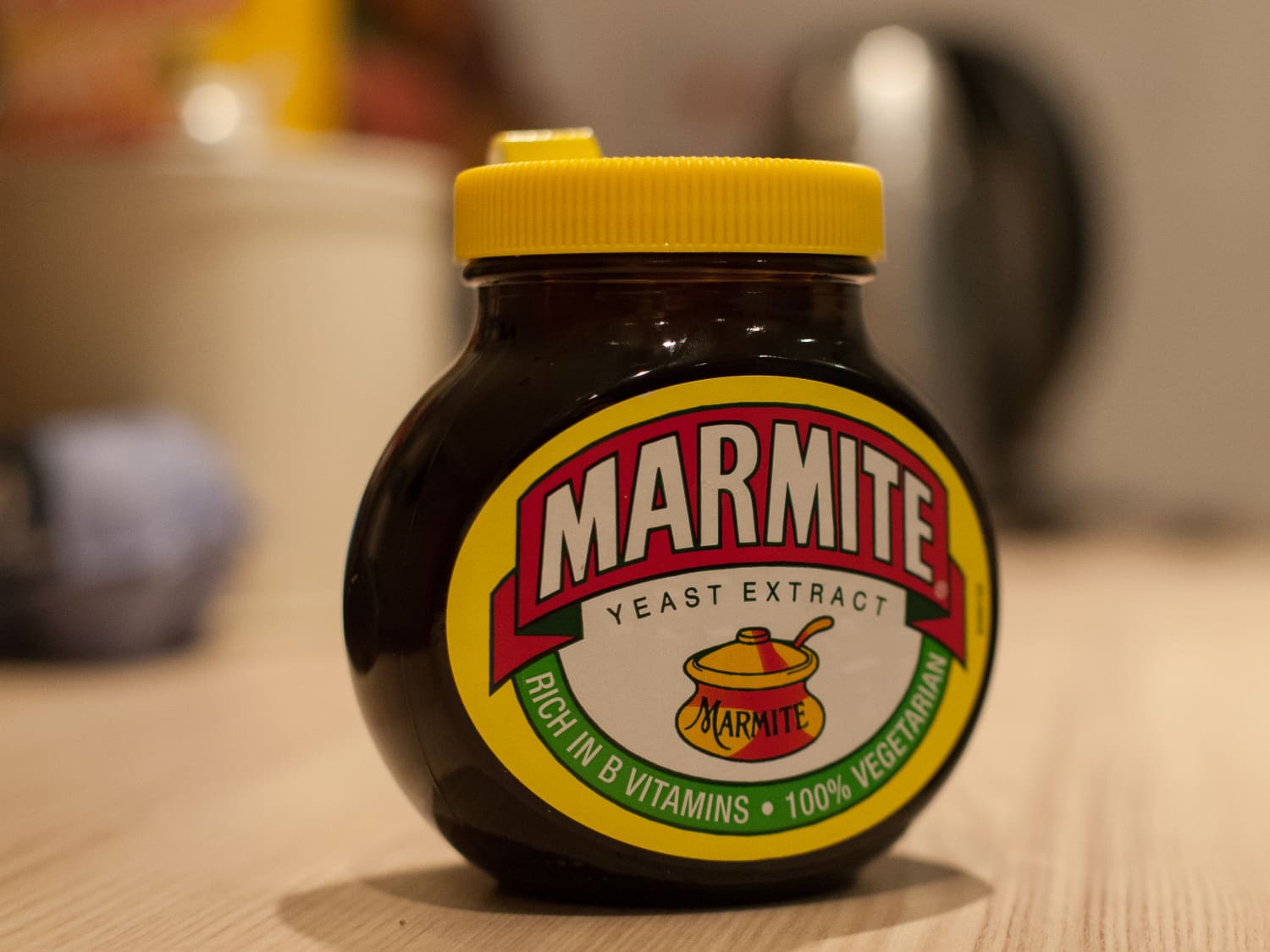
I don't particularly like Marmite.
But I've decided that I want to.
I'd been aware of it for most of my life before finally trying it a couple of years ago. Finding a jar here in Denmark took some effort, so by the time I got my hands on one, I was rather curious.
The first sniff was... unpleasant.
Still, that shouldn't dissuade me from trying it. Plenty of wonderful things smell peculiar. I like cheese, after all.
So I made some toast and spread it on as generously as I would Nutella or marmalade.
That was a mistake.
The subsequent minute is a bit of a blur, but I do remember throwing the jar in the bin in disgust.
Naturally, I bought another jar
A few days later, having calmed down, I regretted throwing it out. So I bought another jar.
This time, I did some research into how you're actually supposed to eat the stuff. Something I probably should have done before assuming that all things sold in jars should be applied with the same enthusiasm.
The answer, it turned out, was buttered toast and considerably less Marmite.
That's how I've been eating it since. A little on buttered toast, giving it another chance, then another. And I'm slowly growing fond of it.
It's still strange, salty, yeasty and rather aggressive. Those qualities haven't disappeared. But they're beginning to make more sense together.
The goal isn't merely to tolerate it, either. I want to genuinely enjoy it. Ideally, I want to reach the point where I find myself craving Marmite on toast, rather than eating it because I've decided to pursue this slightly absurd project.
And I have reason to think that might happen.
I've been here before
Smoky whisky gave me much the same introduction.
The first time I tasted it, I almost threw up. I didn't find it a little challenging or think that perhaps it needed some getting used to. My reaction was considerably less thoughtful than that.
Yet now, Lagavulin 16 is a favourite.
The smoke that once made me feel ill is something I actively seek out. I haven't learned to overlook it or endure it while enjoying the rest of the whisky. It's part of what I love about it.
That's quite a change.
I could easily have taken that first experience as conclusive evidence that smoky whisky wasn't for me. It would hardly have been an unreasonable conclusion. But it would have ruled out something I now genuinely enjoy.
So when I find myself eating Marmite despite not being entirely convinced by it, I don't think I'm doing something completely unfamiliar.
I've already acquired a taste that initially seemed very unlikely to be worth acquiring.
Can you decide to like something?
I don't think I can simply instruct myself to enjoy Marmite and have the matter settled. The first jar would suggest otherwise.
But I can decide that my first reaction doesn't have to be my final opinion.
We often talk about preferences as though they were settled facts about who we are. “I don't like olives.” “I don't like whisky.” “Classical music isn't for me.”
Sometimes that's a perfectly adequate explanation. There's no obligation to investigate every dislike, and breakfast doesn't need to become homework.
Still, my experience with smoky whisky makes me reluctant to treat an immediate reaction as permanent.
There seems to be a useful distinction between liking something and being interested in learning to like it. I don't need to pretend that I'm enjoying something when I'm not. I can dislike it and remain curious about it.
What are other people finding in this that I haven't found yet? Would a different introduction help? Might it become more interesting once it stops being so unfamiliar?
Those questions seem worth asking occasionally.
Especially before throwing the jar away.
Learning what to notice
I suspect part of acquiring a taste is learning what to pay attention to.
With something unfamiliar and forceful, the most obvious quality can overwhelm everything else. Smoky whisky tastes of smoke. Marmite tastes aggressively of Marmite. There doesn't initially seem to be much more to discuss.
Understanding a little more can give you other things to notice. With wine, that might mean recognising acidity or tannin rather than experiencing the whole glass as simply “strong red wine”. With whisky, it might mean noticing sweetness alongside the smoke.
The thing itself hasn't necessarily changed, but the experience of it has.
Although, in Marmite's case, I should probably give some credit to the butter.
My first attempt wasn't just a matter of an untrained palate failing to appreciate something wonderful. I'd also used far too much. Eating a small amount on buttered toast gave me a rather different experience from the one I'd confidently arranged for myself the first time.
Before reaching any grand conclusions about taste, it apparently helps to find out how something is meant to be eaten.
None of this makes an acquired taste inherently better than something you enjoy immediately. Nor does it mean every dislike conceals a future favourite. I just think my preferences have proved more changeable than I might once have assumed.
Sometimes “I don't like this” turns out to mean “I don't like this yet.”
Back to the brown stuff
For now, the experiment remains fairly modest. I'm eating a little Marmite on buttered toast, and I'm slowly growing fond of it.
I haven't reached the point where I can confidently call myself a Marmite lover. But the second jar has been treated considerably better than the first, which feels like progress.
Perhaps smoky whisky has made me unnecessarily optimistic about my ability to acquire tastes. Perhaps Marmite will only ever be something I quite like in small quantities.
That's already a substantial improvement on my original verdict.
For now, I'm still learning to like Marmite.
But I'm increasingly convinced that I will.